With a revamped website completed at the end of 2014 I decided to host all future blogs on my company website.
Please follow the link to Staite Communications and I will try to blog far more frequently in the coming months.

Tuesday 14 April 2015

Monday 27 October 2014
What have Jennifer Lawrence, South Africa and New Zealand all got in common?
It is nearly November which means I have failed to post any of my Communicator and Mis-Communicator of the Week award winners this month.
To rectify this oversight here they are:
The South African Legal System (Mis-Communicator)
Jennifer Lawrence (Communicator)
New Zealand Ministry of Health (Mis-Communicator)
To rectify this oversight here they are:
The South African Legal System (Mis-Communicator)
Jennifer Lawrence (Communicator)
New Zealand Ministry of Health (Mis-Communicator)
Tuesday 30 September 2014
Communicator of the Week: Evan Davis
Evan Davis is the new "lead anchor" of BBC's Newsnight. Following in the footsteps of a figure as big as Jeremy Paxman is a big deal and Davis could have become merely a Paxman-lite substitute. Instead he has taken a new approach and this is why I have made him my Communicator of the Week.
Read more about it here.
Read more about it here.
Friday 26 September 2014
To win the next election, use the right language
I have an article published on the Conservative Home website today. In it I outline how I would like to see the Conservative Party - as a supporter of the party - improve how it communicates by using the right language to connect better with ordinary people.
I conclude by saying:
The debate has been successfully framed but Conservatives must do more to use the right language to communicate with voters. People are fed up of politicians and politics; the Conservative brand is weak; voters are busy and often don’t hear what the Conservative Party has to say; so the sooner Conservatives start to use the right words to get its message heard the better.
It is written in the style of a memo I might write to a client. You can read the article here.
I conclude by saying:
The debate has been successfully framed but Conservatives must do more to use the right language to communicate with voters. People are fed up of politicians and politics; the Conservative brand is weak; voters are busy and often don’t hear what the Conservative Party has to say; so the sooner Conservatives start to use the right words to get its message heard the better.
It is written in the style of a memo I might write to a client. You can read the article here.
Tuesday 23 September 2014
Communicator of the Week: Team Novo Nordisk
Cycling in the UK is going through a boom. The Tour de France started this year in Yorkshire, seeing millions line the roads to cheer on the riders. This past week the Tour of Britain has also seen large crowds who, as part of the spectacle, may have been surprised to see some cyclists injecting themselves during the race. Happily this isn’t a return to cycling’s dark days of doping but instead the diabetic riders of Team Novo Nordisk.
Novo Nordisk, global healthcare company, and a world leader in diabetes care, sponsor the only professional cycling team made up entirely of diabetic riders. The team has been racing since 2005 but last year Novo Nordisk agreed to become the headline sponsor as long as every rider was a Type 1 diabetic.
Type 1 diabetes is a chronic condition which means little or no insulin is produced in the body. Insulin is a hormone that is needed to convert sugar, starches and other food into energy needed for daily life, let alone professional bike racing.
Phil Southerland, the team’s founder and CEO, is an evangelical speaker about life as a diabetic. Southerland and his team don’t just speak inspirationally though – they show the world by racing against the best, giving real credibility to their message.
A further string to Team Novo Nordisk’s communication bow is that they offer something new. Happily there have been some truly inspirational athletes who have coped with diabetes and won, but there has never been a team of endurance athletes made up of entirely diabetics.
The team have the ambition of celebrating the 100th anniversary of insulin being invented, in 2021, with a diabetic winning the Tour de France. It is a laudable aim and clearly some way off as the team’s highest placed rider in the Tour of Britain was only 58th. This shouldn’t detract from all they do to communicate a positive message to the world about what can be achieved with diabetes, which is why Team Novo Nordisk are my Communicators of the Week.
Wednesday 3 September 2014
Waffle and double-speak from Abercrombie and Fitch
American clothing brand Abercrombie and Fitch is my Mis-Communicator of the Week for their appalling announcement they are dropping their branded clothing.
Their decision was because of "adverse likes to our logo business". Awful. See more of why they failed so badly at my regular column on the PR Moment blog.
This isn't the first time I have highlighted poor communications from Abercrombie. In 2011 they failed to understand that they were an aspirational brand to many millions and shot themselves in the foot. This led me to call them the 'John Major of brands'.
Their sales began falling then and haven't stopped.
Their decision was because of "adverse likes to our logo business". Awful. See more of why they failed so badly at my regular column on the PR Moment blog.
This isn't the first time I have highlighted poor communications from Abercrombie. In 2011 they failed to understand that they were an aspirational brand to many millions and shot themselves in the foot. This led me to call them the 'John Major of brands'.
Their sales began falling then and haven't stopped.
Wednesday 27 August 2014
3 lessons from the Scottish TV debates for the General Election
Monday's second and final live TV debate between Alex Salmond and Alistair Darling - representing the Yes and No camps in Scotland's independence debate - was seen as a resounding victory for Salmond.
This was a significant turnaround after the first debate leading to Scotland's first minister subsequently claiming the momentum is with the nationalists.
Most likely the next set of debates we will see on British TV screens will be ahead of next year's General Election. With this in mind I see three simple lessons which the Scottish debates illustrated rather clearly.

1. Someone has to win
No one has to win a TV debate. It isn't X Factor or Strictly Come Dancing or a boxing match that has to be decided on points. That does't stop the media feeling compelled to 'call' the debate as soon as possible using either a snap poll or Real Time Audience Response dial testing. The latter gives a second-by-second picture of what an audience was thinking and is a useful research tool while a poll will tell you who an audience thought 'won' immediately after the debate. Even if a debate was dull as dishwater, as TV debates tend to be, and no significant punches were landed in the black and white world of the political media someone has to win.
2. If you lose move on, if you win move on
For the Independent on Sunday I was asked how Alex Salmond should bounce back after his poor performance in the first TV debate. I essentially said that he needed to move on from his last performance and that politicians who try and right wrongs of their last battle always fail to land punches this time around.
What I can add now is that the same is true for a politician perceived to have done well. Alistair Darling revisited the currency issue which caused Alex Salmond so much trouble but of course the first minister was ready this time. Furthermore the audience had already moved on. The result: Darling was going over old ground that they new and so soon got restless. Better to find another chink in the armour than try and do damage to old wounds.
3. The 'spin room' is irrelevant in an age of social media
The immediacy of reaction from social media means that journalists and voters get a sense of how a debate or a part of a debate is being perceived by their peers. This, plus the data provided by snap polling and dial testing, means journalists are armed with a huge amount of information as and when the debate concludes. I've been part of a 'spin room' operation on a number of occasions and that process certainly played a part in shaping opinion of which candidate had performed well and on which particular topic.
Today crowd-sourcing of real opinion is so easy why should a journalist listen to the views of a party spokesman when they would be saying that wouldn't they?
This was a significant turnaround after the first debate leading to Scotland's first minister subsequently claiming the momentum is with the nationalists.
Most likely the next set of debates we will see on British TV screens will be ahead of next year's General Election. With this in mind I see three simple lessons which the Scottish debates illustrated rather clearly.
1. Someone has to win
No one has to win a TV debate. It isn't X Factor or Strictly Come Dancing or a boxing match that has to be decided on points. That does't stop the media feeling compelled to 'call' the debate as soon as possible using either a snap poll or Real Time Audience Response dial testing. The latter gives a second-by-second picture of what an audience was thinking and is a useful research tool while a poll will tell you who an audience thought 'won' immediately after the debate. Even if a debate was dull as dishwater, as TV debates tend to be, and no significant punches were landed in the black and white world of the political media someone has to win.
2. If you lose move on, if you win move on
For the Independent on Sunday I was asked how Alex Salmond should bounce back after his poor performance in the first TV debate. I essentially said that he needed to move on from his last performance and that politicians who try and right wrongs of their last battle always fail to land punches this time around.
What I can add now is that the same is true for a politician perceived to have done well. Alistair Darling revisited the currency issue which caused Alex Salmond so much trouble but of course the first minister was ready this time. Furthermore the audience had already moved on. The result: Darling was going over old ground that they new and so soon got restless. Better to find another chink in the armour than try and do damage to old wounds.
3. The 'spin room' is irrelevant in an age of social media
The immediacy of reaction from social media means that journalists and voters get a sense of how a debate or a part of a debate is being perceived by their peers. This, plus the data provided by snap polling and dial testing, means journalists are armed with a huge amount of information as and when the debate concludes. I've been part of a 'spin room' operation on a number of occasions and that process certainly played a part in shaping opinion of which candidate had performed well and on which particular topic.
Today crowd-sourcing of real opinion is so easy why should a journalist listen to the views of a party spokesman when they would be saying that wouldn't they?
Tuesday 12 August 2014
Why Robin Williams leads the news not Iraq or Ukraine
In the UK we have woken up this morning to the sad news that Robin Williams, the popular comedian and actor, has died after an apparent suicide.
Despite the ongoing dire situation in Ukraine, the humanitarian crisis in northern Iraq and the continuing fight against an outbreak of ebola in west Africa the death of Williams led the BBC and Sky news bulletins and is likely to throughout the day.
His death is also dominating my Facebook feed and seven of the UK trends on Twitter are currently related to Robin Williams and his career.

Robin Williams was a wonderfully talented actor who won an Oscar for his role in Good Will Hunting and made people laugh and cry (often with laughter) for decades. As Jonathan Ross said in an interview with BBC 5 Live, Williams had a "warmth and humanity which is why it feels like a personal loss".
You can listen to the interview here: bbc.in/1uJrYya
Robin Williams had an impact on many people; making them laugh or entertaining them. The editors of BBC Breakfast or Sky News know their jobs is to produce programmes that people want to watch. More often than not this is achieved through content which viewers can relate to.
Whether seen in Good Morning Vietnam, Mork and Mindy, Mrs. Doubtfire, Good Will Hunting or doing stand-up comedy Williams had a positive impact on people if only for a couple of hours at the cinema.
I'm not saying this is right or wrong just explaining how the news works but, in short, his life and sad death is relevant to lots of people in a way that the suffering of people in Iraq, Africa or Ukraine isn't. That then is why Robin Williams is leading the news today.
Despite the ongoing dire situation in Ukraine, the humanitarian crisis in northern Iraq and the continuing fight against an outbreak of ebola in west Africa the death of Williams led the BBC and Sky news bulletins and is likely to throughout the day.
His death is also dominating my Facebook feed and seven of the UK trends on Twitter are currently related to Robin Williams and his career.
Robin Williams was a wonderfully talented actor who won an Oscar for his role in Good Will Hunting and made people laugh and cry (often with laughter) for decades. As Jonathan Ross said in an interview with BBC 5 Live, Williams had a "warmth and humanity which is why it feels like a personal loss".
You can listen to the interview here: bbc.in/1uJrYya
Robin Williams had an impact on many people; making them laugh or entertaining them. The editors of BBC Breakfast or Sky News know their jobs is to produce programmes that people want to watch. More often than not this is achieved through content which viewers can relate to.
Whether seen in Good Morning Vietnam, Mork and Mindy, Mrs. Doubtfire, Good Will Hunting or doing stand-up comedy Williams had a positive impact on people if only for a couple of hours at the cinema.
I'm not saying this is right or wrong just explaining how the news works but, in short, his life and sad death is relevant to lots of people in a way that the suffering of people in Iraq, Africa or Ukraine isn't. That then is why Robin Williams is leading the news today.
Wednesday 30 July 2014
Communication hits and misses
It has been a while since I posted my regular PR Moment column. Here are a few from the last month or so.
Communicator of the Week
Welcome to Yorkshire
Human Rights Watch
McDonald's
Mis-Communicator of the Week
Tesco
London's Cabbies
British Airways
Joe Hart
Communicator of the Week
Welcome to Yorkshire
Human Rights Watch
McDonald's
Mis-Communicator of the Week
Tesco
London's Cabbies
British Airways
Joe Hart
Mis-Communicator of the Week: Malaysia Airlines
Travelling home after pleasant summer drinks in central London I tapped on my iPhone to catch up with the latest news. I did a double take that would have been comedic if the news glowing out of the handset wasn’t quite so grim. Another Malaysia Airlines plane has crashed was my first thought - with emphasis on ‘another’. Then, as I read the story in full, the accounts pieced together the story, which has become clearer each day since, that this civilian airliner had been shot down.
I don’t intend to go into the political whys and wherefores of how this situation arose but instead centre our attention on Malaysia Airlines, my reaction to the dreadful news and the airline’s subsequent response. While my first reaction was that another plane had crashed the circumstances soon became clear in the way they never have with the Malaysia Airlines flight still missing somewhere in the southern Indian Ocean.
In March I wrote for PR Moment about the crisis response to this tragedy and there is little doubt that this incident has damaged Malaysia Airlines' brand. The response from superstitious Chinese tourists to this latest disaster was a vow never to fly with such a ‘cursed’ airline again. This piled the pressure on further for a business which has seen passenger numbers down hugely since the disappearance of flight MH370 in March. There is speculation of bankruptcy or a government bail out after losing £150 million in the first quarter of 2014. There is no doubt they are a business in dire trouble but until March Malaysia was seen as one of the best Asian carriers in a booming market.
This is the context then for Malaysia’s announcement to refund any booking on any flight stating, "In light of the MH17 incident, Malaysia Airlines will be waiving any change fees for passengers who wish to make changes to their itinerary to any MH destinations. Passengers who wish to postpone or cancel their travel plans can obtain a refund, including for non refundable tickets.”
This is an awful decision, a terrible statement and may be final undermining of the Malaysia Airlines brand. In a crisis there is pressure to act, or to be seen to have acted, and do it fast. Good crisis comms experts follow the old adage that ‘speed kills’ and it does…unless you’re acting fast on a wrong decision. Offering refunds on tickets communicates from Malaysia Airlines that they too have lost faith in their business. The language used is negative and repeats the call sign of the doomed airplane while failing to say anything positive about the company. 'If the airline themselves has given up why should anyone else remain loyal?' is what this statement says to me, which is why Malaysia Airlines is my Mis-Communicator of the Week.
Friday 30 May 2014
Mis-Communicator of the Week: Ed Miliband
While there are words and phrases that work in political communications – a good rule of thumb are small words and short sentences – there are photo opportunities which work too. These photo-ops put politicians in everyday, often hum-drum, situations such as a factory floor or a supermarket.
A favourite of many a political tour is to take a classic working class environment such as one of London’s historic markets which includes a breakfast stop on the itinerary for a bacon sandwich or full English. The pictures provided by these visits often fill the news that day and help to position a politician as being in-touch with the working man.
Ahead of the local and European elections last Thursday the Labour leader Ed Miliband undertook a visit to Covent Garden flower market which included the obligatory photo-op stop for breakfast.
The problem came when Miliband tried to eat his bacon butte.

His face contorted into a series of bizarre grimaces as he took a few bites before admitting defeat. Meanwhile his media handlers recognised the danger to their leader so tried to prevent any photos being taken therefore defeating the point of the whole exercise and making the situation even worse. Subsequently a rash of media stories were written describing Miliband as weird.
The majority of human interaction and communication is non-verbal which is why pictures like these of a man who wants to be the UK’s prime minister in less than a year’s time will be damaging. When a person’s image clashes with what they say no amount of precise and on-message communication can save them.
It is a simple part of success in any walk of life but essential for political candidates – connection is a two-way process, and if you don’t connect on a personal level, you will not win. As Roger Ailes, media adviser to three US presidents puts it, “The messenger is the message.”
With voters increasingly having doubts about Miliband and thinking him to be ‘weird’ the message coming from this particular messenger is far from positive which is why Ed Miliband is my Mis-Communicator of the Week.
Thursday 6 March 2014
Communicator of the Week: Samsung
That picture. You know the one. The selfie at the Oscars which became the most re-tweeted Tweet in history in no time at all. Oh yes, of course, this one:

What great spontaneity - how lovely to see our much-loved film stars in a truly relaxed moment. Ooh, what a great picture the Samsung Galaxy Note 3 takes.
Ok, that may not be our exact thought process but I bet the first time you saw the picture you smiled, you may have even re-tweeted it, and are almost as likely to have heard that the picture was taken on a Samsung as a result of the post Oscars media coverage.
This picture was retweeted more than a million times in less than an hour easily breaking the previous record held by Barack Obama announcing he had won the 2012 election. To my mind this means that people loved the picture.
I’ve just checked and this snap has now passed the 3 million retweet mark with 1.6 million favourites. When I Googled ‘selfie’ a moment ago the picture at the top of the rankings was this one. This is the kind of social media buzz brands simply cannot pay for. Accept Samsung did exactly that.
The thing is great content does’t just happen. It takes time, planning and investment of resources. Samsung are the brand sponsors of The Oscars for the next five years and clearly have put together a plan to maximise their investment. As the Wall Street Journal reports Samsung had negotiated to have their smartphone integrated into the Oscars TV coverage as part of their broader advertising package. This would be great in itself but Samsung didn’t want to risk anything so trained the host, Ellen DeGeneres, how to use the phone to ensure she produced great content that would show the brand off at its best. It worked and highlights that sound planning, not just financial investment, is needed to develop great digital content that boosts a brand or tells a great story.
Ellen called her selfie the “best photo ever”. I imagine Samsung would agree and for this I make them my Communicator of the Week.
Wednesday 26 February 2014
Communicator of the Week: British Airways
Awards. A nice evening out for the team and a chance to pop on a dinner jacket but really not all that important for building a strong brand. Or maybe not.
British Airways has just been handed the accolade of top UK consumer brand by the annual Superbrands survey conducted by The Centre for Brand Analysis. To reach the top they beat other household name brands such as Coca-Cola, Cadbury and Andrex as well as the tech monsters like Google and Amazon. Once again, despite the positive media coverage this secured for British Airways for an award that you cannot apply or pay for, does this or other awards matter?
The definition of a Superbrand demonstrates that they do: “A Superbrand has established the finest reputation in its field. It offers customers significant emotional and/or tangible advantages over its competitors, which customers want and recognise.”
If we take the second part of this first, BA was a successful and visible tier one sponsor of the 2012 London Olympic Games in my view helping them to nail the emotional connection with the brand. On the tangible advantages that is more subjective but BA’s marketing has focussed on innovation and investment in their new fleet of planes and a much talked about #lookup outdoor campaign, linking digital billboards in Chiswick and Piccadilly to flights passing by overhead.
It is though on the awards front that BA’s reputation has been brilliantly boosted. Throughout the past year British Airways won awards relating to its airline business (Best Airline, Best Short Haul Carrier, Best First Class, Sunday Times Travel Best Long and Short Haul awards) as well as their reward scheme (Best Frequent Flyer Programme) and Best Airport Lounge. On the communications front they won awards from the Marketing Society and the PRCA as well as for their sponsorship of the Olympics.
All these awards communicate quality, reliability to deliver for their customers but also a point of distinction from their competitors. The sum of all this is to build a brilliant reputation for the brand and is why I am happy to give British Airways another award as my Communicator of the Week.
Thursday 20 February 2014
Mis-Communicator of the Week: The Liberal Democrats
In 1988 Mario Vargas Llosa was a pinned on certainty to become the next President of Peru. With a country sick of being run by a political establishment who ruled through horse-trading in smoke filled rooms’, voters turned to Vargas Llosa, a middle class intellectual.
Vargas Llosa appealed because he was different, not part of a party machine; an outsider with new ideas and a new way to approach the problems which made Peruvians so poor. He was a sure bet because he was anti politics.
Then the writer and novelist shot himself in the foot and did a deal with the old parties to secure an open run on the presidency. This cynicism was rewarded by voters looking elsewhere for a candidate who was an outsider. Instead of Vargas Llosa Peruvians elected Alberto Fujimori, the son of Japanese immigrants and an agricultural engineer who had never been in a smoke filled room in his life.
And so to this week’s Mis-Communicators. The Liberal Democrats. Their appeal to the British electorate has always been that they were not one of the other main parties. This allowed them to build up a strong local campaign network and secure a succession of stunning by-election victories in the first decade of the 21st century. At times their appeal was hard to fathom, for example they have had great success in the firmly Eurosceptic South West despite being a pro-European party. It seemed the lure of being seen to make a protest was too good to ignore for many.
Then came the 2010 General Election and an undecided electorate gave the Lib Dems an opportunity to join the coalition government. With this, as part of Nick Clegg’s negotiations for the coalition agreement, they threw away one of their few totemic, defining policies of opposing student tuition fees. Worse still, this was binned in favour of a national referendum to change our voting system. A change the British people rejected.
In a short time the Lib Dems popularity had plummeted from the highs of the "Clegg bounce" after their leader's strong showing in the live TV debates to an all-time low of single digit poll numbers. Now Lib Dems lose their deposits at by-elections rather than win them. Clegg himself is even more loathed.

The response from the party is so horribly cynical it is straight out of a TV satire. The Liberal Democrats are abandoning manifesto policies that would be opposed by both Labour and the Tories to make it more likely they will be able to join a future coalition. There is little wonder Nick Clegg is now known as “Madam Fifi” for his desperation to cling to office.
There is a lesson for Mr Clegg and the Lib Dems who appear to have lost any defining mission to their continued existence and it is events that happened 30 years ago in Peru. For that reason I make the Liberal Democrats my Mis-Communicators of the Week.
Friday 7 February 2014
Mis-Communicator of the Week: Michael G. Grimm
When one of the world’s most respected newspaper titles labels a politician as someone “once considered a rising star” then something has gone badly wrong. That is what happened to American politician Michael G. Grimm this week in the New York Times after an extraordinary performance in front of a news camera.
Grimm, a United States Congressman, was appearing on a local news network to give his view on the State of the Union speech delivered by President Obama minutes before. Grimm’s performance in critiquing the President’s speech may well have been fine or even brilliant - that part has been now been forgotten. What will be remembered however is how the classic ‘one last question’ from the journalist was enough to send Grimm off the rails.
After stating on camera that he was “not going to talk about anything off topic” he stormed out of shot with the camera still running. When the journalist explained what it was that Grimm had refused to discuss Grimm returned and threatened the journalist with physical violence saying he would “break him in half. Like a boy”.
It is clear from what happened that instead of carefully dealing with the one last question about his campaign finances using a satisfy and steer technique (satisfying the viewers at home that you have dealt with the question before steering your answer back to a topic you are comfortable on) Grimm lost his temper and undermined his own credibility.
If all that wasn’t bad enough Grimm then issued a non-apologetic apology saying "I expect a certain level of professionalism and respect, especially when I go out of my way to do that reporter a favour. I doubt that I am the first member of Congress to tell off a reporter, and I am sure I won’t be the last.”
By then the national news networks had picked up the story and the video was being passed around on social networks all because Grimm wasn’t ready for that ‘one last question’. He could be winning this award for his initial poor performance or for his subsequent botched apology. Either way Michael G. Grimm is my Mis-Communicator of the Week.
Friday 31 January 2014
Friday 29 November 2013
Communicator of the Week: Jonathan Trott
After a humiliating defeat in the First Ashes Test Match to Australia it was likely that the England cricket team would be forced into making changes to their line-up. No one quite knew how dramatic a change it would be.
Yesterday morning it was announced that Jonathan Trott, who for the last few years has been one of the stars of world cricket, had left the tour suffering from depression.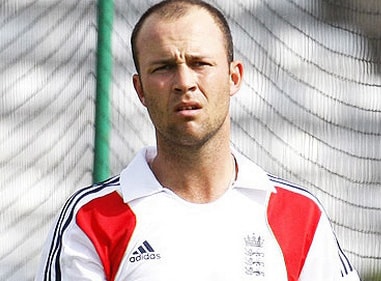
For cricket fans like me much had been made of the intensity of the rivalry between England and Australia with threats of physical violence being bandied around in the middle. This had been egged on by a ruthless Australian media who heaped scorn and derision on the England side. This pressure must be intense and difficult to deal with; almost impossible to manage if suffering from depression.
Cricket generally struggles to hit the front pages or lead the headlines - swamped by the power of football - but yesterday was different.
The news was on the TV and radio all day. All newspapers dealt with the news with sensitivity. The reporting was constructive with experts used to explain how depression can overtake someone and how it can be managed or hopefully dealt with.
Lastly other sports stars spoke of their own difficulties during their careers with most admitting they wished they'd been truthful about how debilitating their depression had been to them.
If there can ever be happiness in depression it's that increasingly it is seen as the illness it is. People are talking about depression, its symptoms and how it can be managed.
Jonathan Trott made his decision when surrounded by testosterone fuelled competitive men, admitting a weakness like this must have been so difficult to do. The impact it has made is as positive as the last few days for Trott must have been rotten.
As we all wish Jonathan Trott the best for the future, and a swift return to Test Match cricket, I make him my Communicator of the Week.
Originally posted on PR Moment.
Yesterday morning it was announced that Jonathan Trott, who for the last few years has been one of the stars of world cricket, had left the tour suffering from depression.
For cricket fans like me much had been made of the intensity of the rivalry between England and Australia with threats of physical violence being bandied around in the middle. This had been egged on by a ruthless Australian media who heaped scorn and derision on the England side. This pressure must be intense and difficult to deal with; almost impossible to manage if suffering from depression.
Cricket generally struggles to hit the front pages or lead the headlines - swamped by the power of football - but yesterday was different.
The news was on the TV and radio all day. All newspapers dealt with the news with sensitivity. The reporting was constructive with experts used to explain how depression can overtake someone and how it can be managed or hopefully dealt with.
Lastly other sports stars spoke of their own difficulties during their careers with most admitting they wished they'd been truthful about how debilitating their depression had been to them.
If there can ever be happiness in depression it's that increasingly it is seen as the illness it is. People are talking about depression, its symptoms and how it can be managed.
Jonathan Trott made his decision when surrounded by testosterone fuelled competitive men, admitting a weakness like this must have been so difficult to do. The impact it has made is as positive as the last few days for Trott must have been rotten.
As we all wish Jonathan Trott the best for the future, and a swift return to Test Match cricket, I make him my Communicator of the Week.
Originally posted on PR Moment.
Monday 4 November 2013
Mis Communicator of the Week: Sir Alex Ferguson
"History will judge us kindly", Winston Churchill told Joseph Stalin and President Roosevelt at the Tehran Conference in 1943; when asked how he could be so sure, he continued: "because I shall write the history". Once the war was won he set about making sure history was detailed how he remembered it - extensively across six massive volumes of The Second World War.
So it is certainly not new for a public figure to write about events in which they have been a significant player. Politicians are the most likely to put pen to paper; setting out the whys and wherefores of their successes and failures in a bid to secure a positive legacy. The modern trend is for those at the height of their fame - whether sport or soap stars - to have an autobiography ghost written in time for Christmas. These vacuous hardbacks are often in the bargain basement bin by Easter.
This made the publication by Sir Alex Ferguson - the former Manchester United manager - of his autobiography a significant moment just months after he had retired after 26 years as manager of a global sports brand like Manchester United.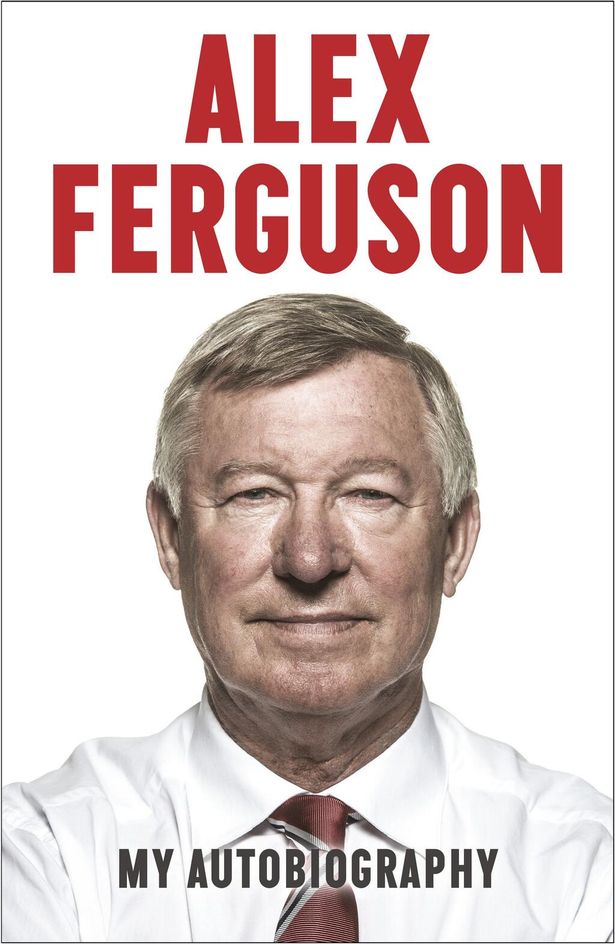
There has been a large amount of interest in the book. Sadly mostly for the petty minded nature of Ferguson's observations rather than anything else.
The sports (and news) pages of the newspapers could have been full of what Ferguson's views are on a wide range of issues in football and sport more widely. His stature as a man who won consistently could have secured a positive legacy with those who do not support Manchester United or indeed care a sausage about football.
As a nation traditionally sceptical of those who succeed maybe he could have given us an insight into what needs to happen in schools to change this? Teambuilding, reputation management, crisis management, media relations all could have been covered allowing us in communications to pick out case studies from his career.
What do we get instead? A slating of his most hated opponents, score settling with former players he fell out with, a failure to accept any wrong-doing and a willingness to re-open old wounds. During his time at Manchester United I had a grudging respect for someone as successful as he was but also a deep distrust as to the kind of man Alex Ferguson is. He has written his history now and, if anything, my view of him has diminished not been enhanced.
A book of this kind is an opportunity to change perceptions, secure a legacy and enhance a reputation. None of these have been achieved by Alex Ferguson which is why he is my Mis-Communicator of the Week.
So it is certainly not new for a public figure to write about events in which they have been a significant player. Politicians are the most likely to put pen to paper; setting out the whys and wherefores of their successes and failures in a bid to secure a positive legacy. The modern trend is for those at the height of their fame - whether sport or soap stars - to have an autobiography ghost written in time for Christmas. These vacuous hardbacks are often in the bargain basement bin by Easter.
This made the publication by Sir Alex Ferguson - the former Manchester United manager - of his autobiography a significant moment just months after he had retired after 26 years as manager of a global sports brand like Manchester United.
There has been a large amount of interest in the book. Sadly mostly for the petty minded nature of Ferguson's observations rather than anything else.
The sports (and news) pages of the newspapers could have been full of what Ferguson's views are on a wide range of issues in football and sport more widely. His stature as a man who won consistently could have secured a positive legacy with those who do not support Manchester United or indeed care a sausage about football.
As a nation traditionally sceptical of those who succeed maybe he could have given us an insight into what needs to happen in schools to change this? Teambuilding, reputation management, crisis management, media relations all could have been covered allowing us in communications to pick out case studies from his career.
What do we get instead? A slating of his most hated opponents, score settling with former players he fell out with, a failure to accept any wrong-doing and a willingness to re-open old wounds. During his time at Manchester United I had a grudging respect for someone as successful as he was but also a deep distrust as to the kind of man Alex Ferguson is. He has written his history now and, if anything, my view of him has diminished not been enhanced.
A book of this kind is an opportunity to change perceptions, secure a legacy and enhance a reputation. None of these have been achieved by Alex Ferguson which is why he is my Mis-Communicator of the Week.
Thursday 10 October 2013
Communicator of the Week: Banksy
I've made the street artist Banksy my Communicator of the Week for, what some in the PR industry call, "creating a buzz".
See exactly why he is deserving of this award over at PR Moment.
See exactly why he is deserving of this award over at PR Moment.
Friday 4 October 2013
Mis-Communicator of the Week: China
China is so big and powerful, with seemingly endless potential for business and trade, that some seem willing to forget that it is still run by an authoritarian Communist politburo. For all the news reports we see of China's growing middle-classes and consumerism this week we saw the latest reality check.
China has begun its biggest internet crackdown in years. Targeting independent bloggers and social commentators the Chinese authorities are very publicly stating that all have to toe the Communist Party line..jpg)
One of those arrested is Charles Xue who is one of China's most influential micro-bloggers with 12 million followers on China's Sina Weibo social network. In a televised confession reminiscent of the show trials of the Stalin era Soviet Union, Mr Xue admitted to spreading irresponsible posts and believing himself above the law.
Mr Xue is significant enough to be called a "Big V". These are the most influential micro-bloggers - perhaps equivalent to Stephen Fry on Twitter in the UK - with the V standing for verified user in the way Twitter uses its tick.
Xinhua, the state-run news agency, proclaimed that Mr Xue had been "toppled from his sacred altar" and "this has sounded a warning bell about the law to all Big V’s on the internet".
In our age of transparency and openness this is a chilling statement which communicates an awful lot about the intentions of the Chinese government. Long held perceptions about China and doing business there will be reinforced.
In the UK some suffer abuse online from so-called trolls which has led to calls for tighter regulation of the internet. However, for every idiot who abuses our cherished free speech there is a positive campaign to highlight an issue or change in opinion. In China if you try to change opinion you get arrested. This is why China is my Mis-Communicator of the Week.
China has begun its biggest internet crackdown in years. Targeting independent bloggers and social commentators the Chinese authorities are very publicly stating that all have to toe the Communist Party line.
One of those arrested is Charles Xue who is one of China's most influential micro-bloggers with 12 million followers on China's Sina Weibo social network. In a televised confession reminiscent of the show trials of the Stalin era Soviet Union, Mr Xue admitted to spreading irresponsible posts and believing himself above the law.
Mr Xue is significant enough to be called a "Big V". These are the most influential micro-bloggers - perhaps equivalent to Stephen Fry on Twitter in the UK - with the V standing for verified user in the way Twitter uses its tick.
Xinhua, the state-run news agency, proclaimed that Mr Xue had been "toppled from his sacred altar" and "this has sounded a warning bell about the law to all Big V’s on the internet".
In our age of transparency and openness this is a chilling statement which communicates an awful lot about the intentions of the Chinese government. Long held perceptions about China and doing business there will be reinforced.
In the UK some suffer abuse online from so-called trolls which has led to calls for tighter regulation of the internet. However, for every idiot who abuses our cherished free speech there is a positive campaign to highlight an issue or change in opinion. In China if you try to change opinion you get arrested. This is why China is my Mis-Communicator of the Week.
Wednesday 18 September 2013
Mis-Communicator of the Week: Peer Steinbrück
I've made German politician Peer Steinbrück my Mis-Communicator of the Week.
Have a look at the picture below, this points to why but there is a bit more to the story which you can see at the PR Moment website.

Have a look at the picture below, this points to why but there is a bit more to the story which you can see at the PR Moment website.

Wednesday 11 September 2013
Communicator of the Week: Coca-Cola
I've made Coca-Cola my Communicator of the Week for a great integrated ad and social media campaign in Romania that may well be the future of both social media and television. Pretty big stuff then.
Read more at the PR Moment website.
Read more at the PR Moment website.
Wednesday 4 September 2013
Mis-Communicators of the Week: Labour MPs
A big week for British politics, British foreign policy and also for the House of Commons. Sadly some just couldn't behave properly and, in my view, let us all down.
Those people were Labour MPs which is why they are my Mis-Communicators of the Week. See more at the PR Moment website.
Those people were Labour MPs which is why they are my Mis-Communicators of the Week. See more at the PR Moment website.
Monday 2 September 2013
Communicator of the Week: Barnardo's
I have made the campaigning children's charity Barnado's my Communicator of the Week. They secured this award through a great blend of using technology and an old fashioned communication technique to communicate their message.
See more at the PR Moment blog here.
See more at the PR Moment blog here.
Tuesday 20 August 2013
As the summer draws nearer its end, it's time for MPs to sharpen their stump speeches
I have a post on the Conservative Home blog today outlining why this is a great moment - end of Summer recess - for MPs to rewrite their stump speeches.
You can read it here.
You can read it here.
Wednesday 14 August 2013
Communicator of the Week: Jens Stoltenberg
I love a politician - or indeed anyone - who finds new ways to connect to their audiences. This week's winner of the prestigious Communicator of the Week award, Prime Minister of Norway, Jens Stoltenberg has done just that in a fun, engaging way.
See more on why he is a deserving winner on the PR Moment website.
See more on why he is a deserving winner on the PR Moment website.
Thursday 1 August 2013
Strewth! What a Tweet
It had to happen one day, Australian Prime Minister (the one prone to making apologies, crying and being stabbed in the back by colleagues) has finally said something his ultra-competitive sport-loving nation can agree with. No mincing words, no politician speak, just a heart-felt opinion.
It came via Kevin Rudd's Twitter account earlier today when he said, "I've just sat down to watch the test. That was one of the worst cricket umpiring decisions I have ever seen."
The Tweet was signed off by "KRudd" so we should assume that it was a genuine pained thought of a cricket fan. Whether it was typed personally or not it cannot do him any harm. It has been Tweeted over 3,000 times and was featured on ABC's cricket coverage as well as the BBC Test Match Special.
One of the rules of social media is to always be yourself. Unfortunately far too few in the public eye are willing to do this, making their social media accounts like broadcasts rather than glimpses of how they really feel.
Since beating his great rival Julia Gillard, in Australian Labor's leadership election, to reclaim the premiership the Australian people seem to be giving Rudd the benefit of the doubt. A few more authentic Tweets like this and people's perception of Rudd may change forever.

Tuesday 23 July 2013
Why stories turn sports stars into idols
As Chris Froome fought his way to victory around the two thousand odd miles of the 100th edition of the Tour de France we began to hear more and more of his personal story.
Stories are what make people interesting and inspirational. Stories are a catalyst for ordinary people watching at home to support or even idolise that person.
Froome does have an interesting story - unique in some regards - for a winner of the most famous bicycle race in the world. During the 21 days of racing we heard how he was born in Nairobi, began cycling on dirt roads and then moved to South Africa. Froome himself spoke of his "incredible journey" others that he is an inspiration to Africans.
The story was given extra sparkle with the revelation that Froome had begun cycling with a group of black Kenyans who didn't have the comfortable upbringing he had in the better suburbs of Nairobi. Froome says his inspiration is David Kinjah, a youth charity worker, who would allow Froome to sleep on the floor of his hut before heading into the hills on their mountain bikes. It is as far removed as possible from the boutiques and cafes of the Champs Elysee where Froome's victory was finalised.

Then there is the additional element - overcoming adversity - which makes a story truly compelling. For Froome this is his fight to rid his body of bilharzia, a parasitic, blood-eating, disease he had caught in Africa. If he hadn't won this battle his career as a cyclist would have been over.
Last year, as Bradley Wiggins became the first British rider to win the Tour de France, he was almost disbelieving of his achievement frequently repeating that "kids from Kilburn don't win the Tour de France". Wiggins' story is also compelling and includes the crucial element of overcoming adversity: growing up on a council estate, an estranged father, Mum struggling to keep the family together. It all made us love 'Wiggo' just a little bit more.
Froome is a very different character to Wiggins but they share two things. They are Tour de France winners and they have great back stories. Winning the Tour de France makes them attractive to us and the media but it is the back stories which turn them into idols.
Stories are what make people interesting and inspirational. Stories are a catalyst for ordinary people watching at home to support or even idolise that person.
Froome does have an interesting story - unique in some regards - for a winner of the most famous bicycle race in the world. During the 21 days of racing we heard how he was born in Nairobi, began cycling on dirt roads and then moved to South Africa. Froome himself spoke of his "incredible journey" others that he is an inspiration to Africans.
The story was given extra sparkle with the revelation that Froome had begun cycling with a group of black Kenyans who didn't have the comfortable upbringing he had in the better suburbs of Nairobi. Froome says his inspiration is David Kinjah, a youth charity worker, who would allow Froome to sleep on the floor of his hut before heading into the hills on their mountain bikes. It is as far removed as possible from the boutiques and cafes of the Champs Elysee where Froome's victory was finalised.

Then there is the additional element - overcoming adversity - which makes a story truly compelling. For Froome this is his fight to rid his body of bilharzia, a parasitic, blood-eating, disease he had caught in Africa. If he hadn't won this battle his career as a cyclist would have been over.
Last year, as Bradley Wiggins became the first British rider to win the Tour de France, he was almost disbelieving of his achievement frequently repeating that "kids from Kilburn don't win the Tour de France". Wiggins' story is also compelling and includes the crucial element of overcoming adversity: growing up on a council estate, an estranged father, Mum struggling to keep the family together. It all made us love 'Wiggo' just a little bit more.
Froome is a very different character to Wiggins but they share two things. They are Tour de France winners and they have great back stories. Winning the Tour de France makes them attractive to us and the media but it is the back stories which turn them into idols.
Monday 22 July 2013
Lessons to learn from The Guardian and Mirror's pursuit of Lynton Crosby
Over the last week or so The Guardian and The Mirror have run stories suggesting that Lynton Crosby, a strategic adviser to the Conservative Party, has secured u-turns in government policy which benefit his commercial clients.
David Cameron and Lynton Crosby have been clear that this isn't the case. That hasn't stopped The Guardian running a further story today. The crux of today's story is that Crosby's firm - CTF Partners - advised private healthcare clients how to exploit NHS 'failings'.
Helpfully The Guardian have published the PowerPoint presentation on their website which is the basis for the story. This document was actually a presentation given to MPs of all Parties in 2010 – it was research like all polling companies conduct.
It is not uncommon for someone such as Populus or YouGov to give presentations to MPs or Peers so that these policy makers actually get a sense of what voters or groups such as GPs are thinking. One of the things CTF Partners do is undertake polling research like those household name polling companies.
So the very premise for the story is false but I do admire the journalism as the wording of this and other stories is deftly done. There is a lot of nods, winks, innuendo and language that suggests wrong-doing without ever directly making that accusation.
This is replicated by the quotes from the Labour Party spokesmen who always raise questions too rather than making direct accusations.
Having worked in political communications in the UK for nearly 9 years I know the process and it is very clear. The Labour Party are using two newspapers, supported by the BBC, to try and get a scalp which will weaken the Prime Minister.
A piece of information is dressed up as a 'leak' by the attack unit at Labour HQ. Interesting to note that editors love leaks. Leaks make the information more 'sexy' than if it had just come across the desk of the journalist via a press release. As I've already said, this information is not a 'leak' but a presentation given openly to a group of cross-party MPs over three years ago.
This information is then farmed out to journalists at Labour's two favourite newspapers, The Guardian and/or The Mirror. Once it becomes a front page story - a splash - then that is enough for a call to go in to the BBC newsroom to suggest that maybe they too should be covering this story. If it is a splash in The Guardian the BBC is far more likely to run it as the Corporation buys far more of this newspaper than any other. Voila - a 'leak' created in Labour HQ has become a political 'row' in three easy steps.
There are lessons for all from this sorry saga. Unfortunately some journalists have agendas they wish to pursue. In this case The Guardian and The Mirror want rid of Crosby as they see he is a threat to Labour winning a majority at the next General Election. Having worked under him on two campaigns I know what a shrewd strategist he is. They are right to be worried.
All newspapers have editorial views on all sorts of issues from wind-farms to foreign policy to planning laws and which political party is best placed to run this country. They are free to have those views - I advised the Free Speech Network to help try and protect this - but we should all be aware when seeing a story on the evening news, or as it is shared around on Twitter, just why something has become a 'story'.
There are political scandals - 13,000 avoidable deaths in the NHS is one in my book - then there are stories like this designed to score political points and weaken opponents. Unfortunately the pursuit of Lynton Crosby is unlikely to end today. When the next story is being punted around on social media have a look, read between the lines and look at what isn't said. Then you'll get a better understanding of that 'leak' and the motives behind the 'story'.
David Cameron and Lynton Crosby have been clear that this isn't the case. That hasn't stopped The Guardian running a further story today. The crux of today's story is that Crosby's firm - CTF Partners - advised private healthcare clients how to exploit NHS 'failings'.
Helpfully The Guardian have published the PowerPoint presentation on their website which is the basis for the story. This document was actually a presentation given to MPs of all Parties in 2010 – it was research like all polling companies conduct.
It is not uncommon for someone such as Populus or YouGov to give presentations to MPs or Peers so that these policy makers actually get a sense of what voters or groups such as GPs are thinking. One of the things CTF Partners do is undertake polling research like those household name polling companies.
So the very premise for the story is false but I do admire the journalism as the wording of this and other stories is deftly done. There is a lot of nods, winks, innuendo and language that suggests wrong-doing without ever directly making that accusation.
This is replicated by the quotes from the Labour Party spokesmen who always raise questions too rather than making direct accusations.
Having worked in political communications in the UK for nearly 9 years I know the process and it is very clear. The Labour Party are using two newspapers, supported by the BBC, to try and get a scalp which will weaken the Prime Minister.
A piece of information is dressed up as a 'leak' by the attack unit at Labour HQ. Interesting to note that editors love leaks. Leaks make the information more 'sexy' than if it had just come across the desk of the journalist via a press release. As I've already said, this information is not a 'leak' but a presentation given openly to a group of cross-party MPs over three years ago.
This information is then farmed out to journalists at Labour's two favourite newspapers, The Guardian and/or The Mirror. Once it becomes a front page story - a splash - then that is enough for a call to go in to the BBC newsroom to suggest that maybe they too should be covering this story. If it is a splash in The Guardian the BBC is far more likely to run it as the Corporation buys far more of this newspaper than any other. Voila - a 'leak' created in Labour HQ has become a political 'row' in three easy steps.
There are lessons for all from this sorry saga. Unfortunately some journalists have agendas they wish to pursue. In this case The Guardian and The Mirror want rid of Crosby as they see he is a threat to Labour winning a majority at the next General Election. Having worked under him on two campaigns I know what a shrewd strategist he is. They are right to be worried.
All newspapers have editorial views on all sorts of issues from wind-farms to foreign policy to planning laws and which political party is best placed to run this country. They are free to have those views - I advised the Free Speech Network to help try and protect this - but we should all be aware when seeing a story on the evening news, or as it is shared around on Twitter, just why something has become a 'story'.
There are political scandals - 13,000 avoidable deaths in the NHS is one in my book - then there are stories like this designed to score political points and weaken opponents. Unfortunately the pursuit of Lynton Crosby is unlikely to end today. When the next story is being punted around on social media have a look, read between the lines and look at what isn't said. Then you'll get a better understanding of that 'leak' and the motives behind the 'story'.
Friday 19 July 2013
Mis-Communicator of the Week: Andy Burnham
The National Health Service is shaping up to be a major issue ahead of the next General Election in less than two years time. These past weeks Labour - who voters traditionally see as a safe pair of hands for the NHS - has attacked the Coalition government over A&E waiting times. After David Cameron's promise in opposition that the Conservative's are "the party of the NHS" this has been damaging. Labour currently enjoys a 30-point poll lead on the issue.
Beyond the political points scoring, and last year's controversial reorganisation of the service, fundamental problems remain. Worryingly, the true scale of historic scandals are only just coming to light. It is the sort of cover-up and maladministration that would see bosses of blue-chip companies fired, share prices plummeting, calls for corporate bosses to be prosecuted.
Today, the results of an investigation into death rates at 14 hospitals are revealed. It has been suggested that 13,000 people may have died unnecessarily as a result of failures in the NHS under the last Labour government. This isn't just a scandal but a personal tragedy for 13,000 families.
If one were following basic crisis communication protocols then the reaction from the Health Secretary in charge while these failures were happening, Labour's Andy Burnham, would be to show real empathy with those who suffered and a commitment to transparency. Not a bit of it.
Somehow Burnham has managed to make himself sound like he is a victim not someone who had the power to prevent this happening. Andy Burnham has written an article for the Daily Telegraph and made an appearance on BBC Radio 4's Today programme seemingly more worried about his reputation and career than those who died.
His robot like response - failing to mention the word "patient" in his Telegraph article or say he is sorry that so many died - is an example of how not to deal with a crisis. His penultimate paragraph in his article is revealing of his priorities - saving his skin - when he says "the public will be looking for solutions rather than a political slanging match", which he follows up with "So that's why Labour will force a Commons vote on Wednesday."
That's the spirit. Force a Commons vote. 13,000 families deserve a much better response than that which is why Andy Burnham is my Mis-Communicator of the Week.
Tuesday 16 July 2013
(Last week's) Mis-Communicator of the Week
After basking in the glow of last week's award, Andy Murray had a part to play in this week's choice on his way to victory at Wimbledon on Sunday.
The setting was just off centre court, moments after Andy Murray had come back from two-sets down to beat Fernando Verdasco. Strangely during the match, despite compelling scenes on the court, the BBC coverage - and their commentary team - seemed obsessed with showing pictures of Sir Alex Ferguson sat in the Royal Box.
This theme continued when the BBC's post game interviewer Garry Richardson asked Andy Murray the following, “Sir Alex Ferguson was in the Royal Box today watching you. He’s been known to go into the dressing room after matches and give his players a bit of hairdryer treatment. Will Lendl say some things to you Andy to sort of gee you up or do you not need that? Do you know it all yourself?”
Murray, although not overly happy, kept his cool and answered well. Many in that situation, tired after a long, tough match, would not.
I don't want to be too critical of Richardson who apologised to Andy Murray after the interview. Who knows, perhaps their is a back story we are unaware of with Richardson's producer suggesting stupid, Alex Ferguson themed questions in his ear as he was live on air. Whatever the reason Murray proved his communication class by taking to Twitter to defend the BBC reporter saying "Don't be too hard on Garry Richardson he had a bad day".
That said, there are lessons for anyone about to conduct an interview with a journalist. First, expect the unexpected as increasingly journalists are not experts in their field and, if you're asked a really stupid question, do not be afraid to seek clarification as to what they mean. Then, keep cool, the journalist might be having a bad day as Richardson was and, if live on TV or radio showing anger or sarcasm will undermine your credibility.
Happily Andy Murray coped well but he shouldn't have been put kin this position by poor coverage and sloppy questions which is why the BBC's Garry Richardson is my Mis-Communicator of the Week.
Thursday 4 July 2013
Two examples of communication failures
Two great examples of terrible communications from the past week. One from an individual who should have been prepared and the other from a major global brand that should know better.
The first is James McCartney - son of Sir Paul - who appeared on BBC Breakfast to discuss (that is meant to be promote, James) his new album.
The full interview can be seen below:
James McCartney did quite a lot wrong in this interview which is why diverse media such as the Daily Mail and The Independent subsequently wrote critical articles.
I'd like to pick out three errors he made:
1. While it is good to keep your answers short in broadcast interviews keeping them down to single syllables is not recommended. Keeping answers to about 15 seconds is fine and helps the journalist to get through their list of questions. Answers of "yeah", "no" or "don't know" make you look rude and/or stupid.
2. Know why you are on the TV or radio. Here he was promoting his album so should have taken every opportunity given to him to talk it up with passion and belief in the two years of work that went into it. Instead he came across as uninterested and failed to give us a reason to buy his music.
3. Prepare for the obvious questions. If you are Sir Paul McCartney's son expect a question about your Dad. You may not like it but, frankly, that is probably the way your PR team sold you in to the programme in the first place. Use his fame, talk about the influence he has had on your music, then sell your record.
The other failure of the last week has been from global giant Amazon who sat down to brief a journalist of The Times but then was unwilling to offer up any information or a story of note. Business Editor, Ian King, explains further:
The first is James McCartney - son of Sir Paul - who appeared on BBC Breakfast to discuss (that is meant to be promote, James) his new album.
The full interview can be seen below:
James McCartney did quite a lot wrong in this interview which is why diverse media such as the Daily Mail and The Independent subsequently wrote critical articles.
I'd like to pick out three errors he made:
1. While it is good to keep your answers short in broadcast interviews keeping them down to single syllables is not recommended. Keeping answers to about 15 seconds is fine and helps the journalist to get through their list of questions. Answers of "yeah", "no" or "don't know" make you look rude and/or stupid.
2. Know why you are on the TV or radio. Here he was promoting his album so should have taken every opportunity given to him to talk it up with passion and belief in the two years of work that went into it. Instead he came across as uninterested and failed to give us a reason to buy his music.
3. Prepare for the obvious questions. If you are Sir Paul McCartney's son expect a question about your Dad. You may not like it but, frankly, that is probably the way your PR team sold you in to the programme in the first place. Use his fame, talk about the influence he has had on your music, then sell your record.
The other failure of the last week has been from global giant Amazon who sat down to brief a journalist of The Times but then was unwilling to offer up any information or a story of note. Business Editor, Ian King, explains further:
"The [Amazon] executive declined to answer any questions about what Amazon had learnt from its launch of the [new digital music] service in the US, instead offering up syrupy soundbites about how “we love to do things for our customers”.
"The reporter explained patiently that his job was not to act as an arm of Amazon’s marketing department, but to drill into the story to establish Amazon’s strategy and motivations. The response was: go back and read our press release."
This is awful PR from Amazon and shows a basic disregard for one of the rules of engagement with journalists: always give them something in return for their time - ideally a story. If you consistently fail to do this they will go somewhere else.
Wednesday 3 July 2013
5 presentation tips from spinning classes
Gym goers will have seen and, perhaps, taken part in spinning (sometimes called indoor cycling) classes. The lights are turned low, the music is turned up and you are taken through a range of exercises on a static bike such as sprints, jumps and hill climbs.
Taught well it is a great workout that burns a huge amount of calories, raises the heart rate and gets you fit quickly. Taught badly and it can be a frustrating hour.

With this in mind, as I spun my way through an OK (not great) class first thing this morning, I thought there are important lessons for anyone wanting to give a good presentation from spinning classes that are taught well.
1. Set out your journey at the beginning

Knowing what to expect from the next hour, whether on a spinning bike or sat in a lecture theatre, helps you to focus on the job at hand. When uncertainty exists it is natural for people's attention to wander. Eliminate any uncertainty by outlining what is to come in a way that gets people excited and motivated to learn and engage.
The worst thing a presenter can do is just jump into their content without setting it into any context. Think of a presentation as a story which will be revealed, just like a good spinning class is a journey about to be undertaken with hills, sprints and long flat roads. Making sure people know where they are in that story or on that journey throughout the session will also keep them motivated to stay engaged.
2. Use simple language

Using clear, simple language is always the best way to communicate. In a spinning class to communicate well speaking in short, sharp, sentences while breathing hard is necessary for the instructor. It is also useful for those attending the class who need to concentrate on the beat of the music, battle with their own fatigue as well as take instructions.
The best instructors - like good presenters - speak little but often meaning you have a running commentary of what is going on, keeping you focused. Often the pauses between instructions are as useful as the instructions themselves. When done well in this way the instruction almost becomes subliminal.
3. Show, don't just tell
While great instruction through plain, simple language helps to make a better spinning class or presentation so does showing not just telling.
A good spinning teacher will be dynamic in their movement meaning your eye is drawn to what they are doing which helps to illustrate and underline the verbal instruction they are giving. Often movement is exaggerated to make sure you get the message in the same way a good presenter will use strong images, films or a variety of content to help make an important point.
4. Energy (and volume)

When you get out of bed to sit on a spinning bike you want to get as much out of that hour as possible. The same goes for the dreaded after lunch presentation slot.
If those attending either are greeted with energy, commitment, volume and range in instructions and a sense of enjoyment from the instructor or presenter, they are much more likely to be taken on that journey I talked about in point one.
5. Paint a picture with your words

Compare these two instructions:
-We will now climb for 6 minutes so turn up your dial (to make it harder to pedal)
-We are now heading up the mountain, it will get steeper as we climb the mountain, picture yourself moving further up the mountain with every pedal stroke you take, don't get left behind...COME ON!
Being able to visualise goals not only motivates you but makes the whole - sometimes painful - experience much more enjoyable.
It is the same with presentations. Finding ways to illustrate points in this way makes them relevant to the audience and, with complex arguments, easier to understand.
There are good and bad spinning classes as there are presentations. Next time you're planning a presentation think what makes a great spinning class - it might help you jump out of the pack.
Taught well it is a great workout that burns a huge amount of calories, raises the heart rate and gets you fit quickly. Taught badly and it can be a frustrating hour.

With this in mind, as I spun my way through an OK (not great) class first thing this morning, I thought there are important lessons for anyone wanting to give a good presentation from spinning classes that are taught well.
1. Set out your journey at the beginning

Knowing what to expect from the next hour, whether on a spinning bike or sat in a lecture theatre, helps you to focus on the job at hand. When uncertainty exists it is natural for people's attention to wander. Eliminate any uncertainty by outlining what is to come in a way that gets people excited and motivated to learn and engage.
The worst thing a presenter can do is just jump into their content without setting it into any context. Think of a presentation as a story which will be revealed, just like a good spinning class is a journey about to be undertaken with hills, sprints and long flat roads. Making sure people know where they are in that story or on that journey throughout the session will also keep them motivated to stay engaged.
2. Use simple language

Using clear, simple language is always the best way to communicate. In a spinning class to communicate well speaking in short, sharp, sentences while breathing hard is necessary for the instructor. It is also useful for those attending the class who need to concentrate on the beat of the music, battle with their own fatigue as well as take instructions.
The best instructors - like good presenters - speak little but often meaning you have a running commentary of what is going on, keeping you focused. Often the pauses between instructions are as useful as the instructions themselves. When done well in this way the instruction almost becomes subliminal.
3. Show, don't just tell
 |
| World Champion and Tour de France legend Mark Cavendish teaching a spin class |
A good spinning teacher will be dynamic in their movement meaning your eye is drawn to what they are doing which helps to illustrate and underline the verbal instruction they are giving. Often movement is exaggerated to make sure you get the message in the same way a good presenter will use strong images, films or a variety of content to help make an important point.
4. Energy (and volume)

When you get out of bed to sit on a spinning bike you want to get as much out of that hour as possible. The same goes for the dreaded after lunch presentation slot.
If those attending either are greeted with energy, commitment, volume and range in instructions and a sense of enjoyment from the instructor or presenter, they are much more likely to be taken on that journey I talked about in point one.
5. Paint a picture with your words

Compare these two instructions:
-We will now climb for 6 minutes so turn up your dial (to make it harder to pedal)
-We are now heading up the mountain, it will get steeper as we climb the mountain, picture yourself moving further up the mountain with every pedal stroke you take, don't get left behind...COME ON!
Being able to visualise goals not only motivates you but makes the whole - sometimes painful - experience much more enjoyable.
It is the same with presentations. Finding ways to illustrate points in this way makes them relevant to the audience and, with complex arguments, easier to understand.
There are good and bad spinning classes as there are presentations. Next time you're planning a presentation think what makes a great spinning class - it might help you jump out of the pack.
Communicator of the Week: Andy Murray
I've made Andy Murray my Communicator of the Week - see the PR Moment website here.
In my view the way he has professionalised his communication is nearly as impressive as the way he has raised his game to become the second best tennis player in the world. Both take an awful lot of effort, time and energy but he is now seeing the rewards in results as well as new commercial opportunities.
Let's hope his success continues at Wimbledon this week.
In my view the way he has professionalised his communication is nearly as impressive as the way he has raised his game to become the second best tennis player in the world. Both take an awful lot of effort, time and energy but he is now seeing the rewards in results as well as new commercial opportunities.
Let's hope his success continues at Wimbledon this week.
Thursday 27 June 2013
Communicator of the Week: Heathrow
I love it when an organisation is faced with a sticky wicket they come out fighting instead of shying away from the limelight. That is what Heathrow and Heathrow airport have done as the uncertainty continues around investment in new air capacity in the South East of England.
See my full reasoning why over at the PR Moment website.
See my full reasoning why over at the PR Moment website.
Monday 24 June 2013
In defence of Mark Mardell
Over the weekend I was interested to see the criticism aimed at the BBC's North America Editor, Mark Mardell.
Mardell was criticised for his "on screen appearance", in which he was clearly rather warm while reporting on President Obama's speech in Berlin, with some saying it "left much to be desired". One lady had written to the BBC requesting that Mardell "smarten himself up a bit".
You can see BBC Newswatch (9mins 40secs in) here.
I have a few thoughts on this.
1. Yes, Mark Mardell appeared on our screens a bit hot and bothered but he is the Corporation's North America Editor for good reason: he is a very good journalist.
Unlike some in broadcast journalism he is also very good at explaining complex policies or rapidly changing situations plainly and simply. He is a man who uses the English language well to communicate rather than worrying about the theatrical side of modern day television. Anyone appearing on TV or radio could do well to copy his style.
2. Unfortunately it is a fact whether presenting, giving a speech or appearing on the TV that what people see is a key part of what you communicate.
Mardell was helpfully situated with the Brandenburg Gate as his backdrop to give the viewers context about what he was reporting on. It isn't just news reporters who are now sent on location but news presenters as well. As this trend continues we are likely to see more hot and bothered journalists who have rushed to appear on our TV screens.
3. Increasingly TV journalists in the UK are following the type first seen in America - young, perfect suit, teeth, hair and an ability to read an auto cue with little to command respect for their journalistic ability.
We could continue down that path and have "Ken and Barbie" reading the evening news and reporting from Berlin. Let us hope that we do not and good journalists such as Mark Mardell still have a place on our screens.
Mardell was criticised for his "on screen appearance", in which he was clearly rather warm while reporting on President Obama's speech in Berlin, with some saying it "left much to be desired". One lady had written to the BBC requesting that Mardell "smarten himself up a bit".
You can see BBC Newswatch (9mins 40secs in) here.
I have a few thoughts on this.
1. Yes, Mark Mardell appeared on our screens a bit hot and bothered but he is the Corporation's North America Editor for good reason: he is a very good journalist.
Unlike some in broadcast journalism he is also very good at explaining complex policies or rapidly changing situations plainly and simply. He is a man who uses the English language well to communicate rather than worrying about the theatrical side of modern day television. Anyone appearing on TV or radio could do well to copy his style.
2. Unfortunately it is a fact whether presenting, giving a speech or appearing on the TV that what people see is a key part of what you communicate.
Mardell was helpfully situated with the Brandenburg Gate as his backdrop to give the viewers context about what he was reporting on. It isn't just news reporters who are now sent on location but news presenters as well. As this trend continues we are likely to see more hot and bothered journalists who have rushed to appear on our TV screens.
3. Increasingly TV journalists in the UK are following the type first seen in America - young, perfect suit, teeth, hair and an ability to read an auto cue with little to command respect for their journalistic ability.
We could continue down that path and have "Ken and Barbie" reading the evening news and reporting from Berlin. Let us hope that we do not and good journalists such as Mark Mardell still have a place on our screens.
Friday 21 June 2013
Communicator of the Week: Stephen Harper
Sorry it is late going up on here as I have had a busy week of travelling and training.
My Communicator of the Week is Stephen Harper, prime minister of Canada, for his great speech to the UK Parliament last week.
See why here at the PR Moment website.
Watch the speech in full below:
My Communicator of the Week is Stephen Harper, prime minister of Canada, for his great speech to the UK Parliament last week.
See why here at the PR Moment website.
Watch the speech in full below:
Wednesday 12 June 2013
Communicator of the Week: D-Day As It Happens
I love history documentaries but that isn't the reason why I made D-Day As It Happens my Communicator of the Week. It was for taking a story we all know well and giving it new energy through clever use of multiple media channels.
See the full reasons why at the PR Moment blog here.
See the full reasons why at the PR Moment blog here.
Media tips from a muscle man
I was in my local leisure centre gym recently where one of the sizeable personal training staff was strutting around the gym floor. An intimidating looking gentleman particularly for someone like me of a Sarkozy level of stature. What soon became clear as I cycled away on a spinning bike was how his physicality was an influence on how people reacted to him.
I don't know the guy but in the 20 minutes or so we were both in the gym he seemed to be a likeable gentle giant of a man; greeting everyone he crossed paths with a cheery "alright boss". What was amazing - and the point of this blog - was how people reacted to him.
Some smiled and nodded sheepishly, others said "hi" but the majority responded with exactly the same phrase as our gentle giant had used to greet them - "alright boss".
It struck me that there are parallels to the reaction of these gym users to an intimidating muscle man and the way a lot of people behave when conducting a media interview. When people are nervous and feel a little intimidated by the journalist interviewing them, they are all too often prone to using the same phrases and terminology used by the journalist. As my observation in the gym demonstrated it is human nature to look to build a connection with someone who might be a threat.
There is however a problem with this which is that very often journalists will deliberately use leading questions or certain phraseology in a bid to trip up those they are interviewing. If you are prepared it is easy to spot and then to avoid. If you are not prepared you will find yourself mirroring the language of the journalist in a way that might be harmful to your, or your organisation's, reputation. So remember the gentle giant and don't do it.
I don't know the guy but in the 20 minutes or so we were both in the gym he seemed to be a likeable gentle giant of a man; greeting everyone he crossed paths with a cheery "alright boss". What was amazing - and the point of this blog - was how people reacted to him.
Some smiled and nodded sheepishly, others said "hi" but the majority responded with exactly the same phrase as our gentle giant had used to greet them - "alright boss".
It struck me that there are parallels to the reaction of these gym users to an intimidating muscle man and the way a lot of people behave when conducting a media interview. When people are nervous and feel a little intimidated by the journalist interviewing them, they are all too often prone to using the same phrases and terminology used by the journalist. As my observation in the gym demonstrated it is human nature to look to build a connection with someone who might be a threat.
There is however a problem with this which is that very often journalists will deliberately use leading questions or certain phraseology in a bid to trip up those they are interviewing. If you are prepared it is easy to spot and then to avoid. If you are not prepared you will find yourself mirroring the language of the journalist in a way that might be harmful to your, or your organisation's, reputation. So remember the gentle giant and don't do it.
Subscribe to:
Posts (Atom)